

The Homeowner's Guide to Water Heater Diagnostics: Fix vs. Replace
August 17, 2026
A water heater that isn't heating or is running out of hot water quickly can often be repaired by replacing a failed thermocouple, heating element, or thermostat. However, if a water heater is leaking water directly from the bottom of its main tank jacket, the inner storage tank has corroded through and requires an immediate full unit replacement.
Diagnostic Flowchart: Common Water Heater Issues
| Symptoms Observed | Underlying Root Cause | Required Corrective Action |
|---|---|---|
| No Hot Water (Gas Unit) | Extinguished pilot light or bad thermocouple | Clean pilot assembly or replace thermocouple |
| Popping/Rumbling Noises | Sizable mineral and scale sediment buildup | Flush the tank to clear out lime scale |
| Rusty or Discolored Water | Corroded sacrificial anode rod | Replace the anode rod immediately |
| Active Water Leaking from Bottom | Inner steel tank shell structural failure | Complete unit replacement required |
Understanding Asset Lifespans and Scale Accumulation
The typical lifespan for both gas and electric tank water heaters is 8 to 12 years. Local water contains minerals that precipitate out of solution when heated, settling to the bottom of your tank. This layer of sediment acts as an insulator, forcing the burner to run longer and hotter, which overheats the steel tank and causes early structural failure.
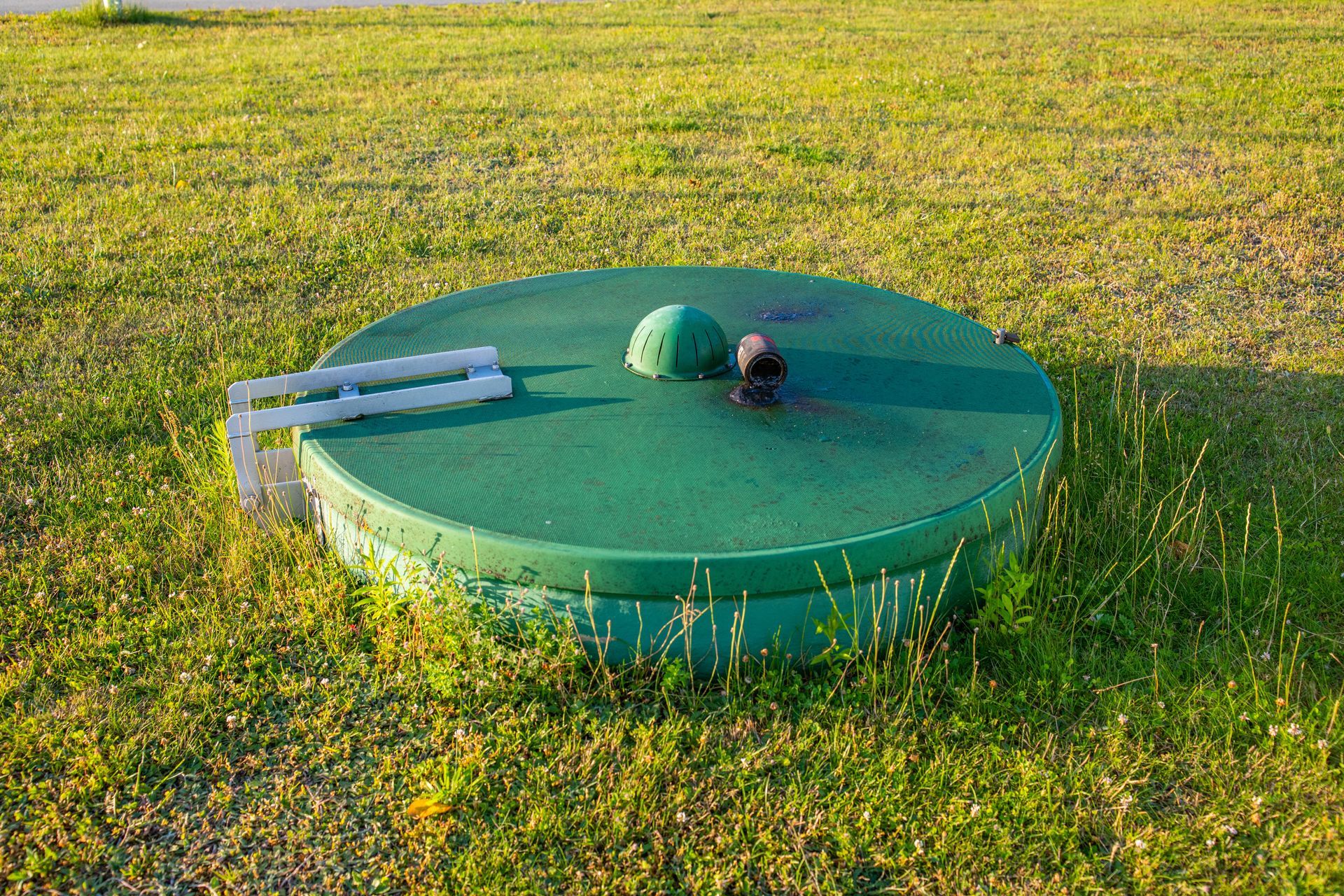
A sewer scope inspection uses a high-resolution, waterproof fiber-optic camera pushed down your main lateral line to check the internal structure of your pipes. It is a critical step for prospective home buyers, as it reveals hidden issues like root intrusions, cracked clay tiles, or bellied lines that can cost anywhere from $3,000 to over $10,000 to fix after you close on the property. What the Fiber-Optic Lens Reveals Below the Slab A standard home inspector looks at visible plumbing fixtures but cannot check the health of buried underground pipes. A dedicated sewer scope maps out the entire run from your basement out to the municipal main link. Pipe Offset Identification : Over time, shifting soils can cause sections of clay sewer tile to misalign, creating an offset lip that catches debris and causes chronic backups. Low Spots (Line Bellies) : If a sewer line sags due to poor soil compaction, it creates a standing pool of water that slows down waste flow and leads to regular grease blockages. Structural Fractures : Explores cast-iron scaling and structural cracks before they turn into full pipe collapses.
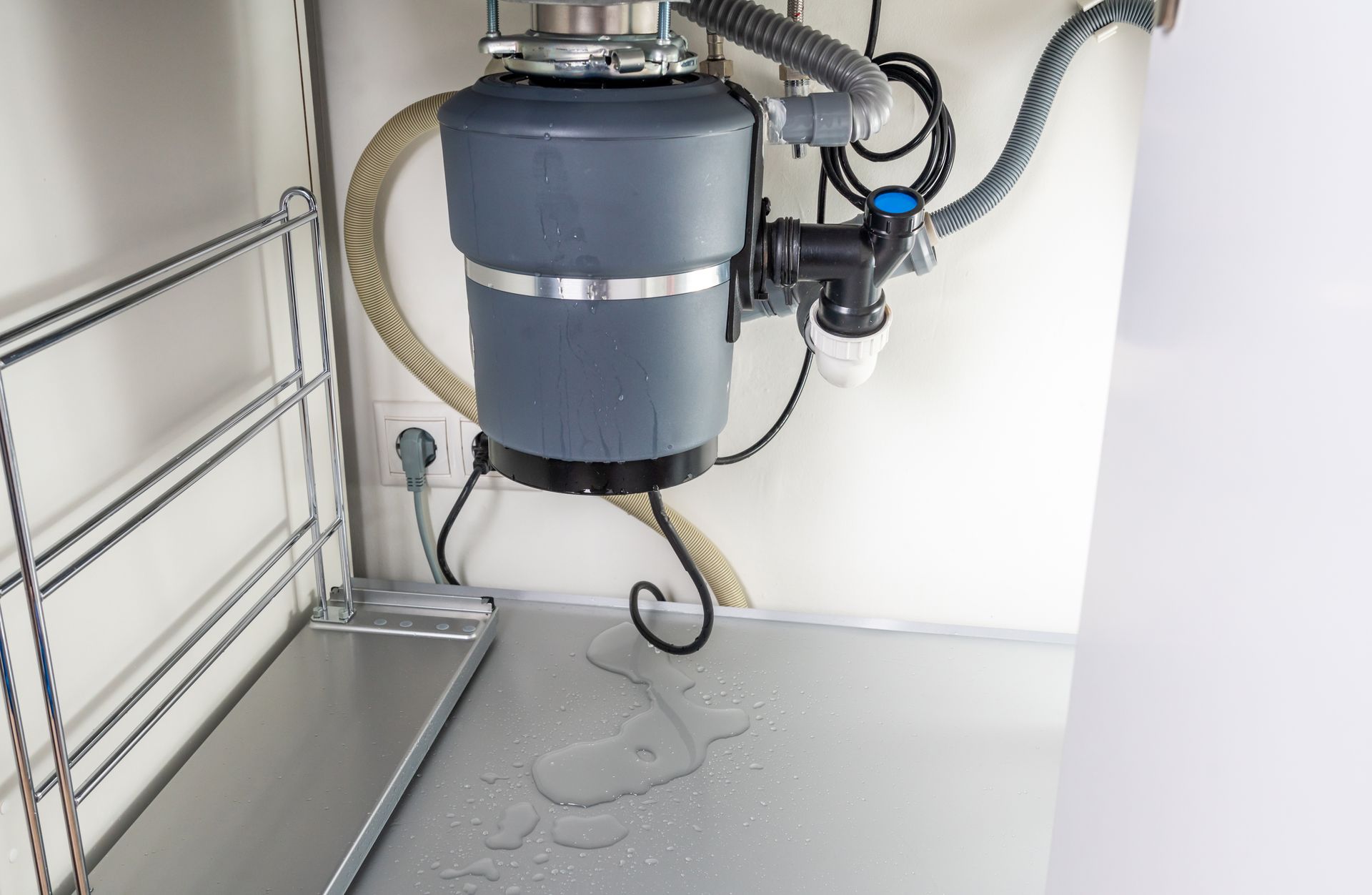
A garbage disposal that hums but won't spin is mechanically jammed by an object wedged between the impeller blades and the shredder ring. You can safely clear most jams by inserting a 1/4-inch hex wrench into the manual breaker socket at the bottom of the motor housing and turning it back and then forth to break the jam free. The Anatomy of a Disposal Clog Garbage disposals do not have sharp, spinning blades; instead, they use heavy metal impellers to swing food waste against a stationary outer shredder ring. Jams happen when dense or fibrous materials lock these impellers in place. Fibrous Clog Cultrists : Avoid putting celery, corn husks, onion skins, or coffee grounds down the disposal, as they easily tangle around the internal components. Fats and Oils : Never pour hot grease down the drain. It cools inside your p-trap and solidifies into a thick plug that catches other food debris. How to Safely Unjam a Humming Motor Turn Off Power : Flip the wall switch off and unplug the disposal cord beneath your sink. Use the Bottom Hex Socket : Insert a 1/4-inch hex key into the center hole on the bottom plate of the disposal unit. Manually Rotate : Crank the wrench back and forth until you can easily spin it a full 360 degrees in both directions. Reset the Thermal Breaker : If the unit won't turn on at all after clearing a jam, the motor likely overheated and tripped its internal safety switch. Press the small red reset button on the bottom of the unit to restore power.
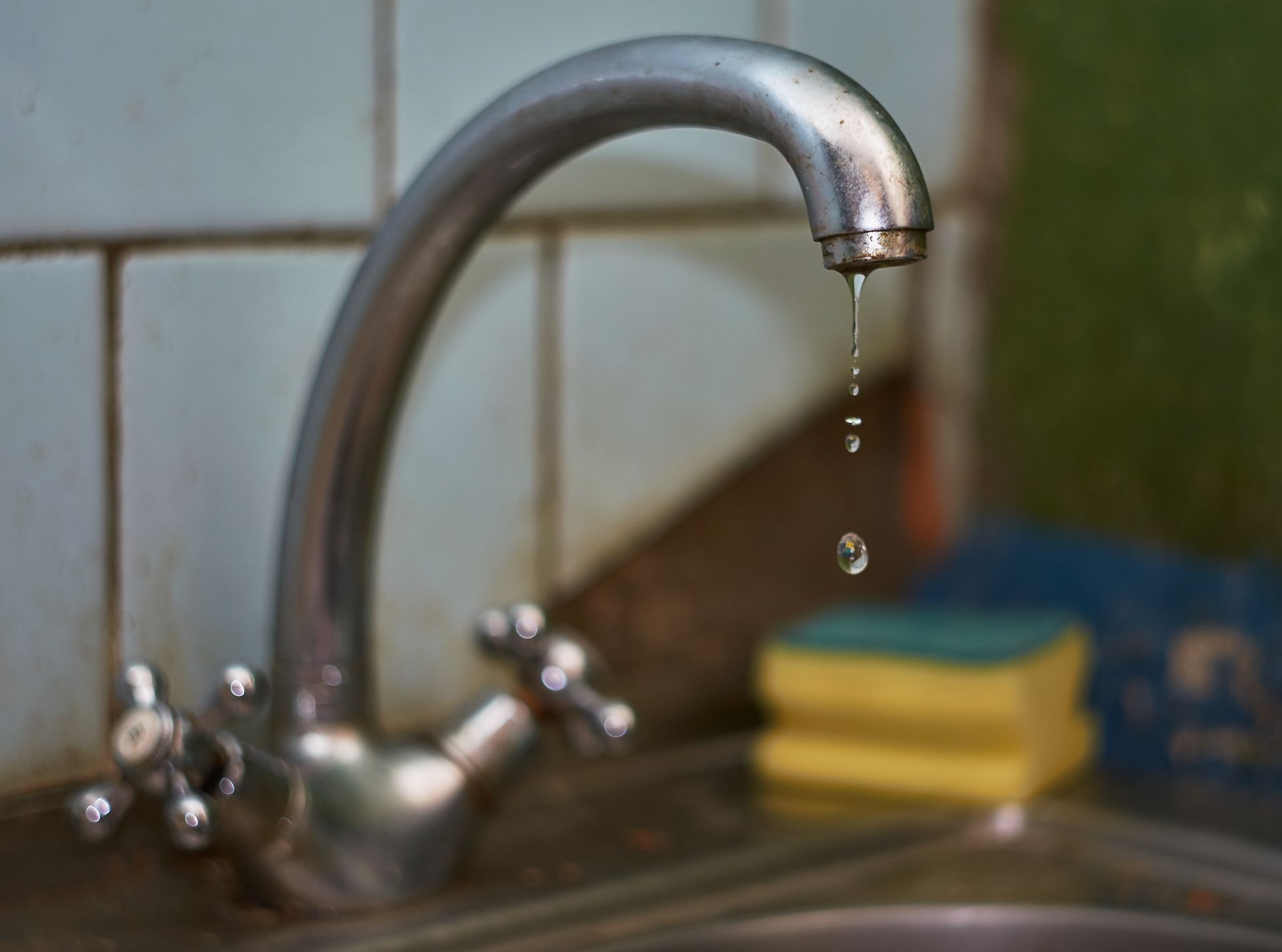
A dripping faucet is usually caused by worn-out internal rubber O-rings, deteriorated washers, or a failed ceramic disc cartridge. Resolving the leak requires shutting off the under-sink water valves, removing the handle assembly, pulling out the worn internal cartridge, and dropping in an exact matching replacement unit. Step-by-Step Faucet Cartridge Repair Pipeline Isolate Water Supply : Locate the hot and cold shut-off valves inside the cabinet below the sink and turn them clockwise until tight. Remove Handle Fastener : Use an Allen wrench or flathead screwdriver to loosen the hidden set screw beneath the handle cap, then pull the handle off. Unscrew the Retaining Nut : Use an adjustable wrench to back out the brass retaining nut that locks the inner cartridge down. Extract and Match Cartridge : Pull the cartridge straight up and out. Take it to a local supply house to find an exact match for your specific brand (such as Moen, Delta, or Kohler). Reassemble and Test : Insert the new cartridge, tighten the retaining nut, reinstall the handle, and slowly turn your water valves back on to check for leaks.




