

The Financial Value of Preventative Sewer Scope Inspections for Home Buyers
August 17, 2026
A sewer scope inspection uses a high-resolution, waterproof fiber-optic camera pushed down your main lateral line to check the internal structure of your pipes. It is a critical step for prospective home buyers, as it reveals hidden issues like root intrusions, cracked clay tiles, or bellied lines that can cost anywhere from $3,000 to over $10,000 to fix after you close on the property.
What the Fiber-Optic Lens Reveals Below the Slab
A standard home inspector looks at visible plumbing fixtures but cannot check the health of buried underground pipes. A dedicated sewer scope maps out the entire run from your basement out to the municipal main link.
- Pipe Offset Identification: Over time, shifting soils can cause sections of clay sewer tile to misalign, creating an offset lip that catches debris and causes chronic backups.
- Low Spots (Line Bellies): If a sewer line sags due to poor soil compaction, it creates a standing pool of water that slows down waste flow and leads to regular grease blockages.
- Structural Fractures: Explores cast-iron scaling and structural cracks before they turn into full pipe collapses.
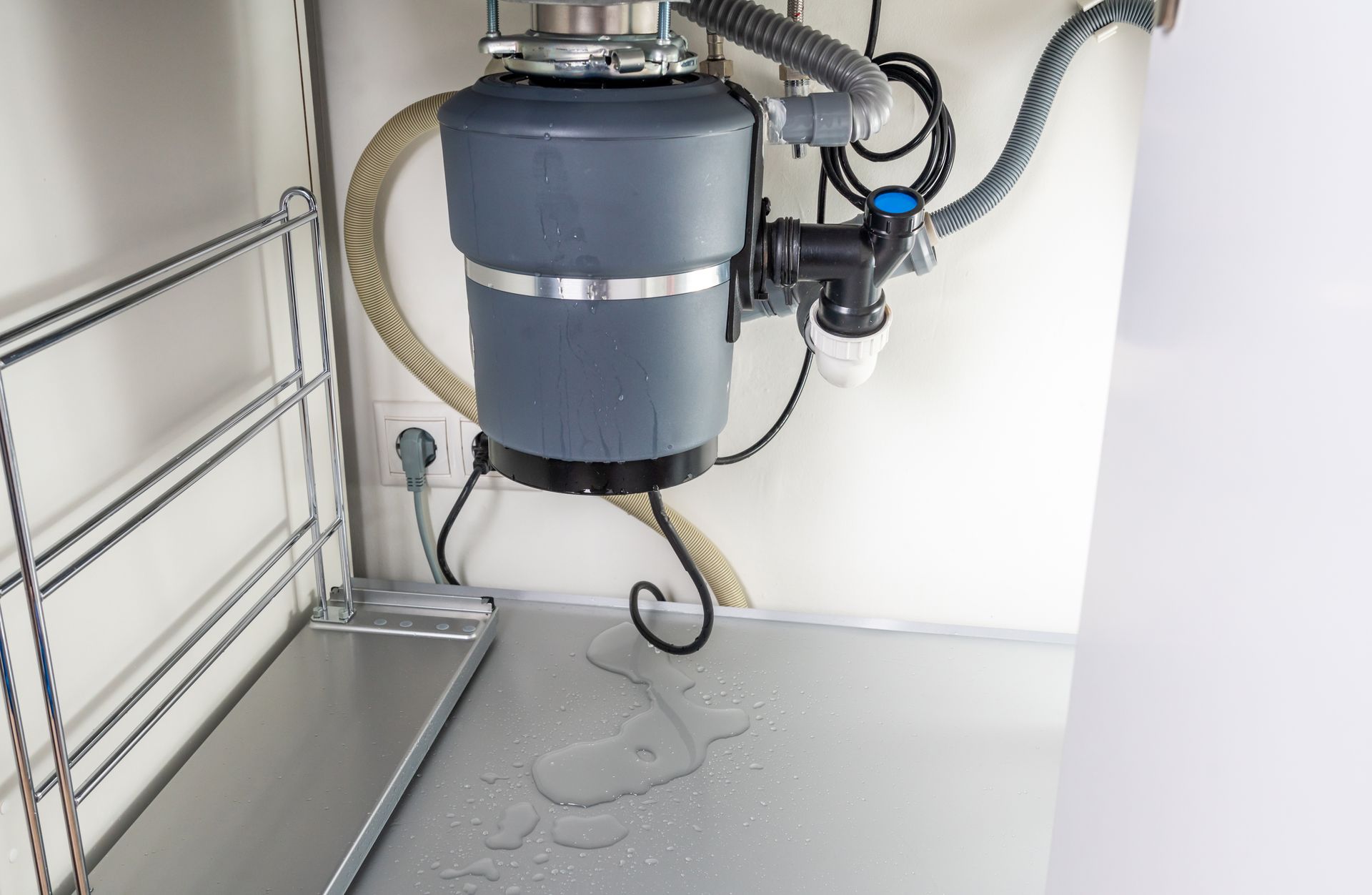
A garbage disposal that hums but won't spin is mechanically jammed by an object wedged between the impeller blades and the shredder ring. You can safely clear most jams by inserting a 1/4-inch hex wrench into the manual breaker socket at the bottom of the motor housing and turning it back and then forth to break the jam free. The Anatomy of a Disposal Clog Garbage disposals do not have sharp, spinning blades; instead, they use heavy metal impellers to swing food waste against a stationary outer shredder ring. Jams happen when dense or fibrous materials lock these impellers in place. Fibrous Clog Cultrists : Avoid putting celery, corn husks, onion skins, or coffee grounds down the disposal, as they easily tangle around the internal components. Fats and Oils : Never pour hot grease down the drain. It cools inside your p-trap and solidifies into a thick plug that catches other food debris. How to Safely Unjam a Humming Motor Turn Off Power : Flip the wall switch off and unplug the disposal cord beneath your sink. Use the Bottom Hex Socket : Insert a 1/4-inch hex key into the center hole on the bottom plate of the disposal unit. Manually Rotate : Crank the wrench back and forth until you can easily spin it a full 360 degrees in both directions. Reset the Thermal Breaker : If the unit won't turn on at all after clearing a jam, the motor likely overheated and tripped its internal safety switch. Press the small red reset button on the bottom of the unit to restore power.
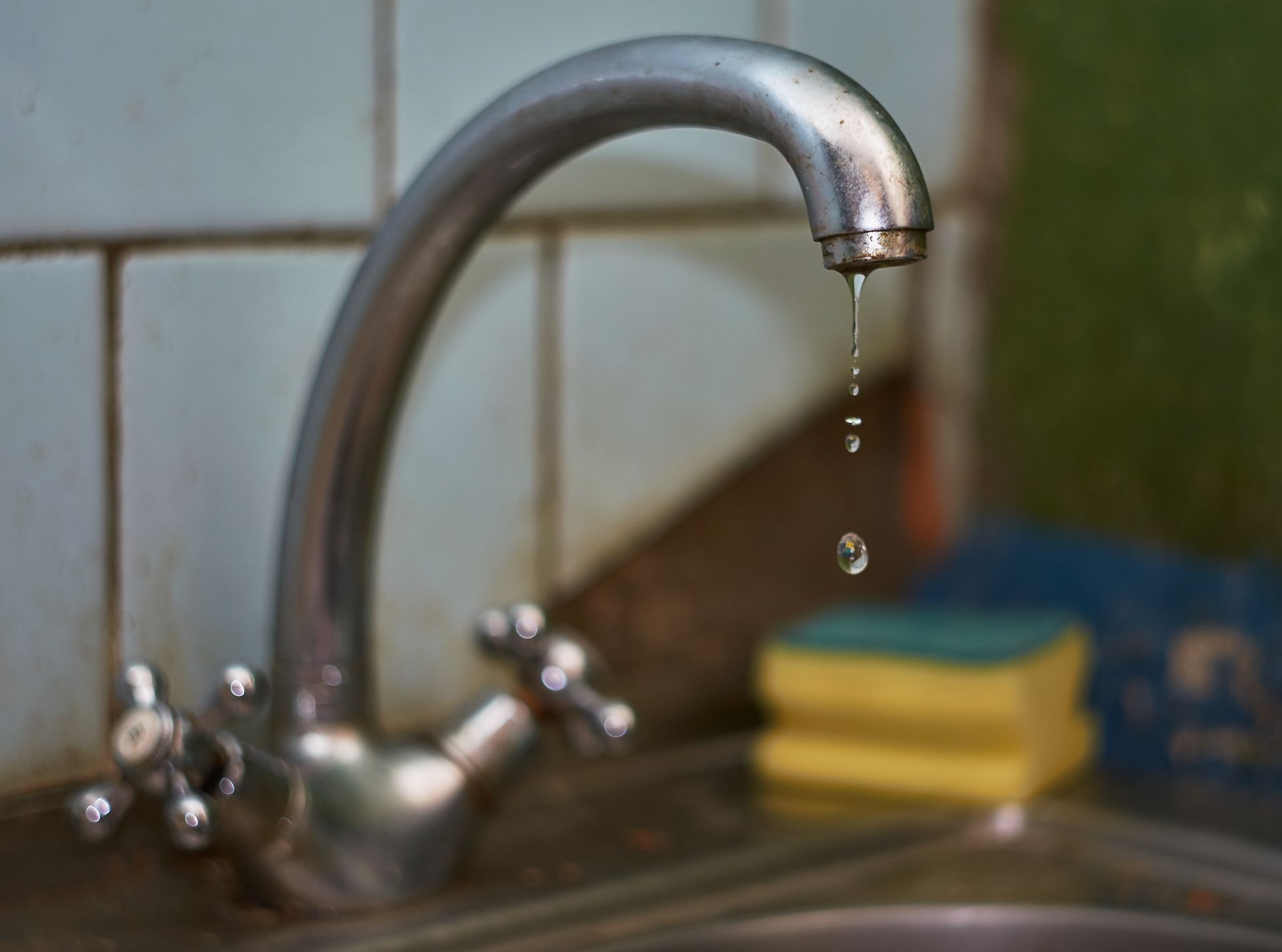
A dripping faucet is usually caused by worn-out internal rubber O-rings, deteriorated washers, or a failed ceramic disc cartridge. Resolving the leak requires shutting off the under-sink water valves, removing the handle assembly, pulling out the worn internal cartridge, and dropping in an exact matching replacement unit. Step-by-Step Faucet Cartridge Repair Pipeline Isolate Water Supply : Locate the hot and cold shut-off valves inside the cabinet below the sink and turn them clockwise until tight. Remove Handle Fastener : Use an Allen wrench or flathead screwdriver to loosen the hidden set screw beneath the handle cap, then pull the handle off. Unscrew the Retaining Nut : Use an adjustable wrench to back out the brass retaining nut that locks the inner cartridge down. Extract and Match Cartridge : Pull the cartridge straight up and out. Take it to a local supply house to find an exact match for your specific brand (such as Moen, Delta, or Kohler). Reassemble and Test : Insert the new cartridge, tighten the retaining nut, reinstall the handle, and slowly turn your water valves back on to check for leaks.
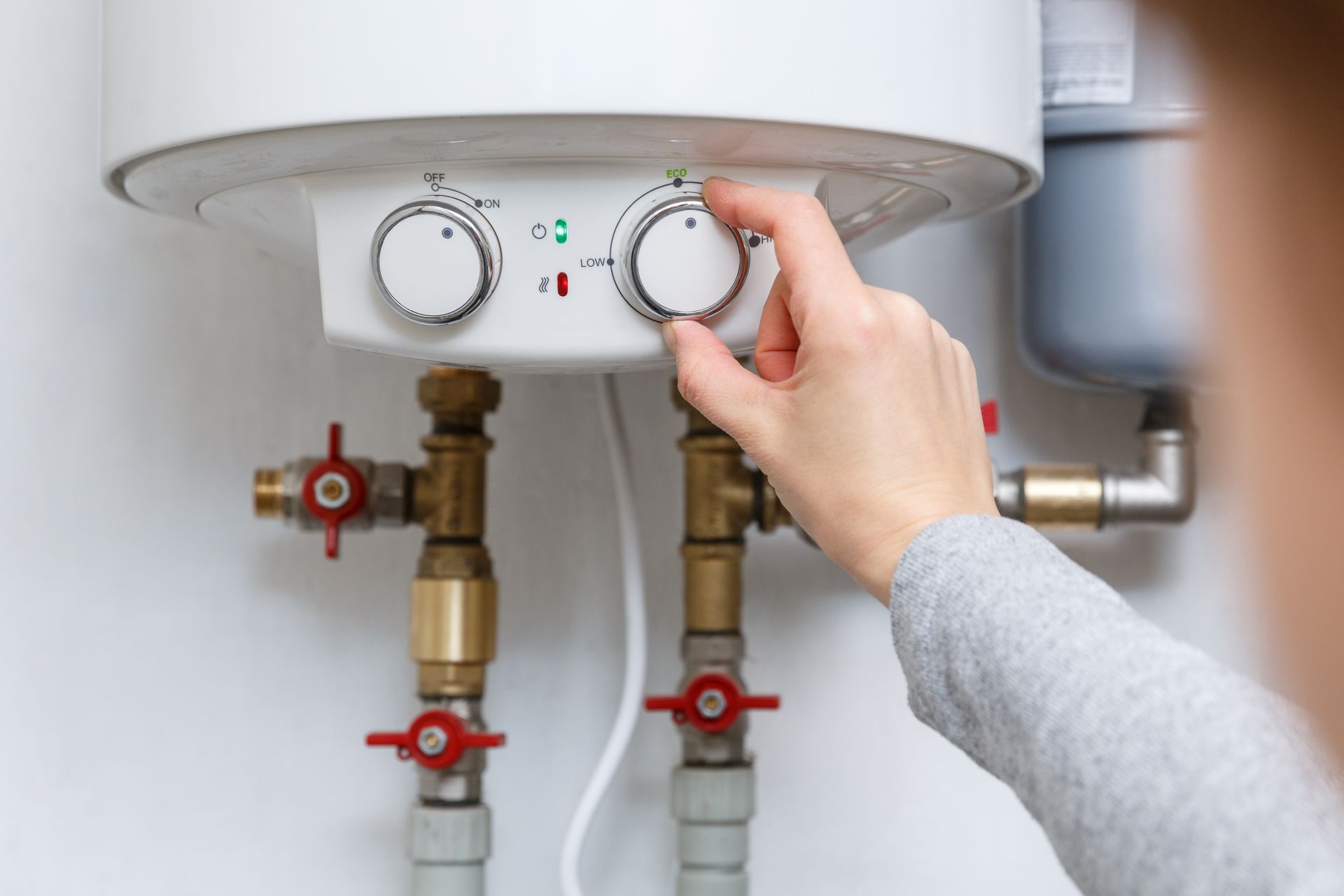
A water heater that isn't heating or is running out of hot water quickly can often be repaired by replacing a failed thermocouple, heating element, or thermostat. However, if a water heater is leaking water directly from the bottom of its main tank jacket, the inner storage tank has corroded through and requires an immediate full unit replacement. Diagnostic Flowchart: Common Water Heater Issues




